Bushman Trip is written by two people in the Upper Peninsula of Michigan who build the shelter they sleep in. Every number on this site is tied to a night we can point to.
What is actually on this site?
A record of overnights, not a gear catalogue. We stop early, build something, sleep in it, and write down what it did.
The unit of work here is the night, not the product. Before an article gets written, the night it came from goes on the night sheet: date, county, the overnight low measured at camp, what the sky did, what we built, what we burned, and what the cutting tools were actually used for. If a claim is not supported by a row on that sheet, it does not go in the article. That rule is why the site is smaller than it could be.
We started keeping the sheet in the winter of 2016 after an argument about whether a reflector wall was worth the hour it cost. Neither of us could produce a number. Eight winters later there are sixty-one rows, forty-four of them below freezing.
How does a write-up get made?
Four steps, in this order. The order is the point: the article is written last, from the row, not the other way around.
- Plan around a forecast rather than a date. A shelter question is only answered by the conditions that ask it.
- Build it and sleep in it. The low goes on record from a min/max thermometer hung at bed level, not from the nearest weather station.
- Write the row while the details are still recoverable, including what failed.
- Write the article from the row, and say plainly where the row stops supporting it.
Who writes this
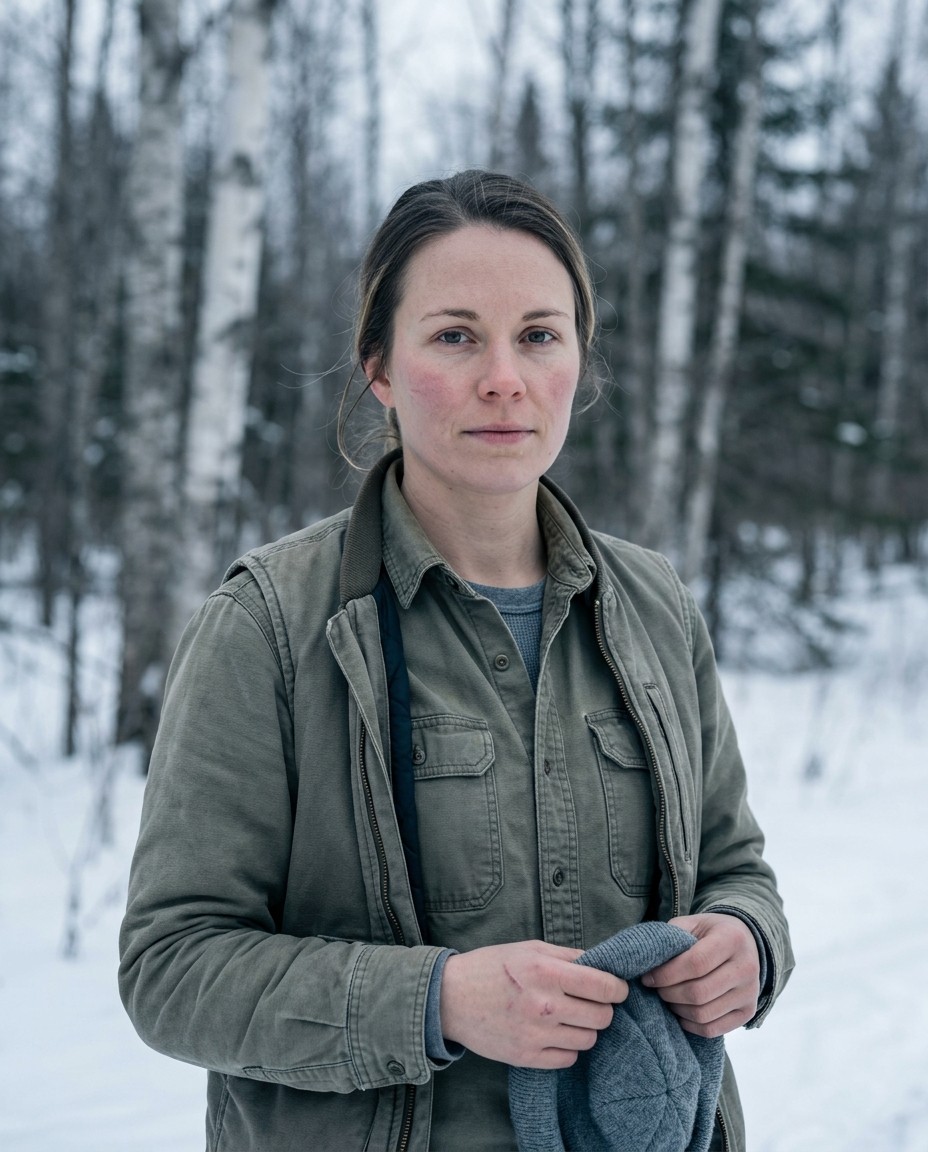
Maren Aho
Field technician · Baraga County, Michigan
Runs winter vegetation plots for a forest research station, which puts her in the woods overnight in January whether or not the weather cooperates. That job is the reason this site fills up in the cold half of the year instead of once a summer.
Writes the shelter and ground insulation material, and keeps the sheet.
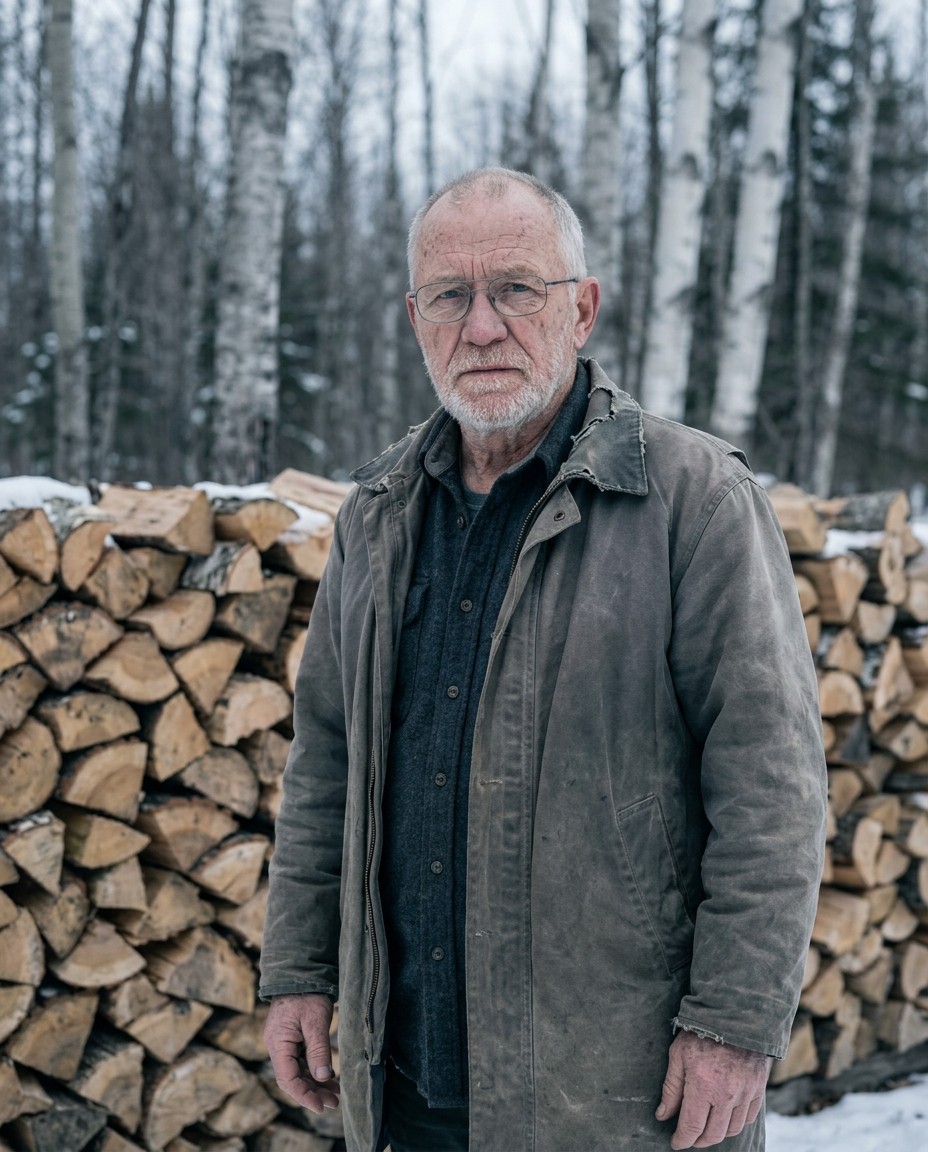
Wendell Tokarz
Retired instructor · Marquette, Michigan
Taught the shelter and fire units in a community college outdoor program for 28 years and kept every student build log, which is an unusual dataset: hundreds of first attempts at the same four problems, with the failures written down by the people who made them.
Writes the fire, cutting tool and edge material.
What we refuse to do
Short list, and it costs us material every season.
- We do not write about a piece of gear we have not slept with for at least four nights.
- We take no payment for placement, and no manufacturer sees a draft before it publishes.
- We do not repeat a manufacturer’s temperature rating without our own reading printed next to it.
- We do not quietly delete a wrong call. It gets corrected in place, with a line saying what changed and when.
Why does a camp craft site keep talking about knives?
Because the knife is the tool the camp is built with, and it is the part of the kit that failed us most often.
Look at what a build actually consumes: feather sticks for the first flame, notches at the ridge, points on a dozen stakes, a pot hanger, kindling split down from standing dead. That is several hundred controlled cuts in wood that is frequently resinous, frozen, or both. On a one night trip nothing shows. On the third night the edge stops biting and every one of those jobs gets slower and more dangerous.
Chasing that failure is what pushed us into bevel angles, thickness behind the edge and steel choice, and from there into how blades get made one at a time by people who ask what you cut before they grind anything. It reads like a detour from shelter building. It is the part of shelter building most write-ups skip.
What our numbers cannot tell you
Everything here comes from one region and one kind of forest. Read the conditions column before you borrow a conclusion.
Our ground is glacial till under mixed hardwood and spruce, our snow is usually dry, and our coldest nights are still air rather than wind. A build that holds here can fail in the wet cold of the Pacific Northwest, at Rocky Mountain altitude, or anywhere the shelter material we lean on is not standing. We say which conditions produced a number so you can judge whether it travels to yours.
Corrections and contact
Write to Maren Aho at [email protected]. If you think a number here is wrong, send the reasoning and we will either publish a correction or explain why we are keeping it. Corrections carry the date they were made. More on how to reach us is on the contact page.